Indoor Vs Outdoor Shutters: Which Is Right For Your Central Coast Home?
Choosing the right window coverings for a coastal home involves more than picking a style you like the look of. The Central Coast's salt air, summer heat, and exposure to the elements means the decision between indoor vs outdoor shutters carries real practical weight. Get it right and you're looking at decades of reliable performance. Get it wrong and you're replacing or repairing far sooner than expected. This guide walks through how indoor plantation shutters and outdoor aluminium shutters compare across the factors that matter most to Central Coast homeowners, so you can make a confident call before committing.
Understanding the Core Difference Between Indoor and Outdoor Shutters
The starting point for any comparison is understanding what each product is actually designed to do. Indoor and outdoor shutters serve overlapping but distinct purposes, and confusing the two can lead to a mismatched solution.
The fundamental distinctions are:
- Indoor shutters, typically plantation style, are installed inside the window frame and are designed to manage light, airflow, and interior privacy
- Outdoor shutters are mounted on the exterior of the building and are built to manage weather, heat, security, and environmental exposure before it reaches the glass
- Indoor shutters work with the interior aesthetic of a room and are a finish product as much as a functional one
- Outdoor shutters function as a first line of defence against the elements, reducing the thermal and physical load on the interior of the home
Neither product replaces the other. In many homes, both serve a purpose at different windows depending on orientation, exposure, and room function.
Where Indoor Plantation Shutters Perform Best
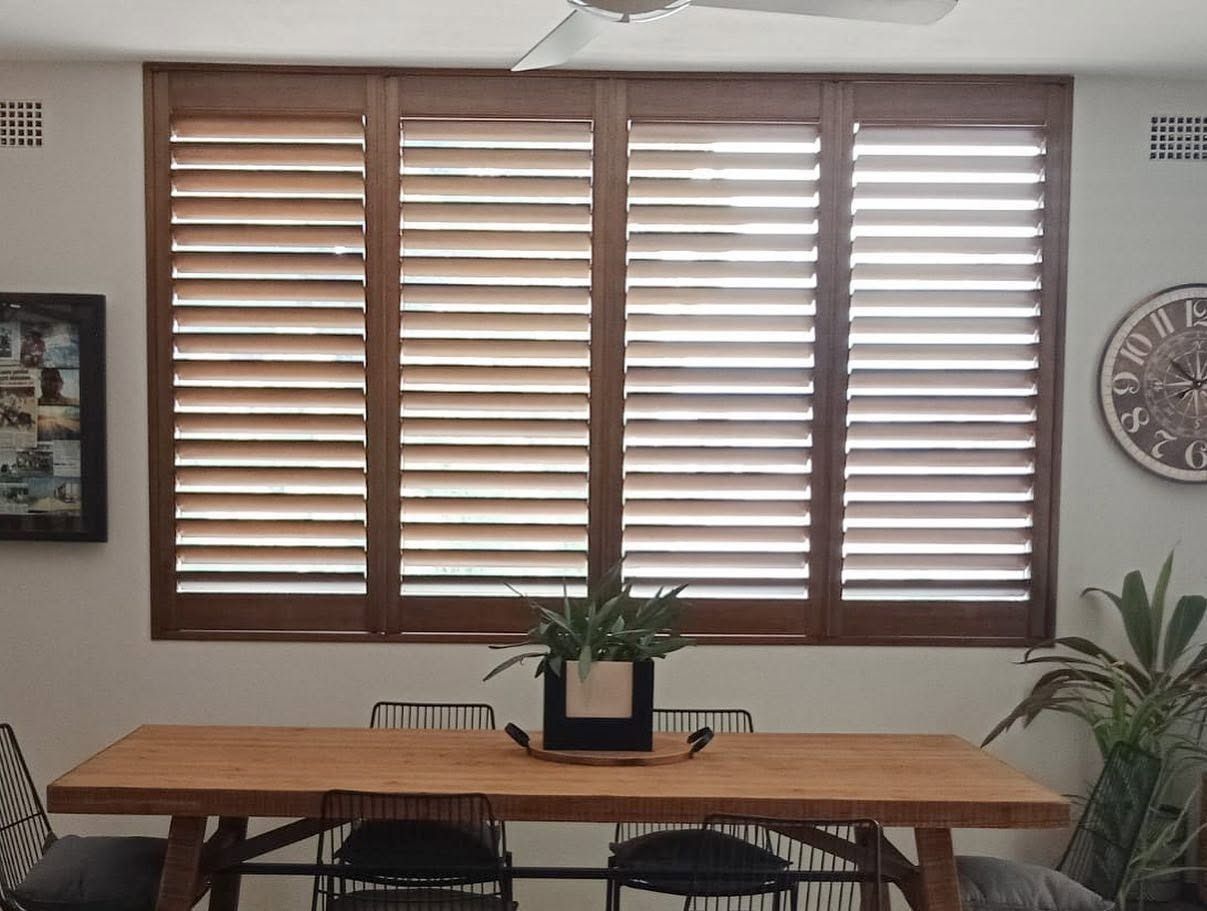
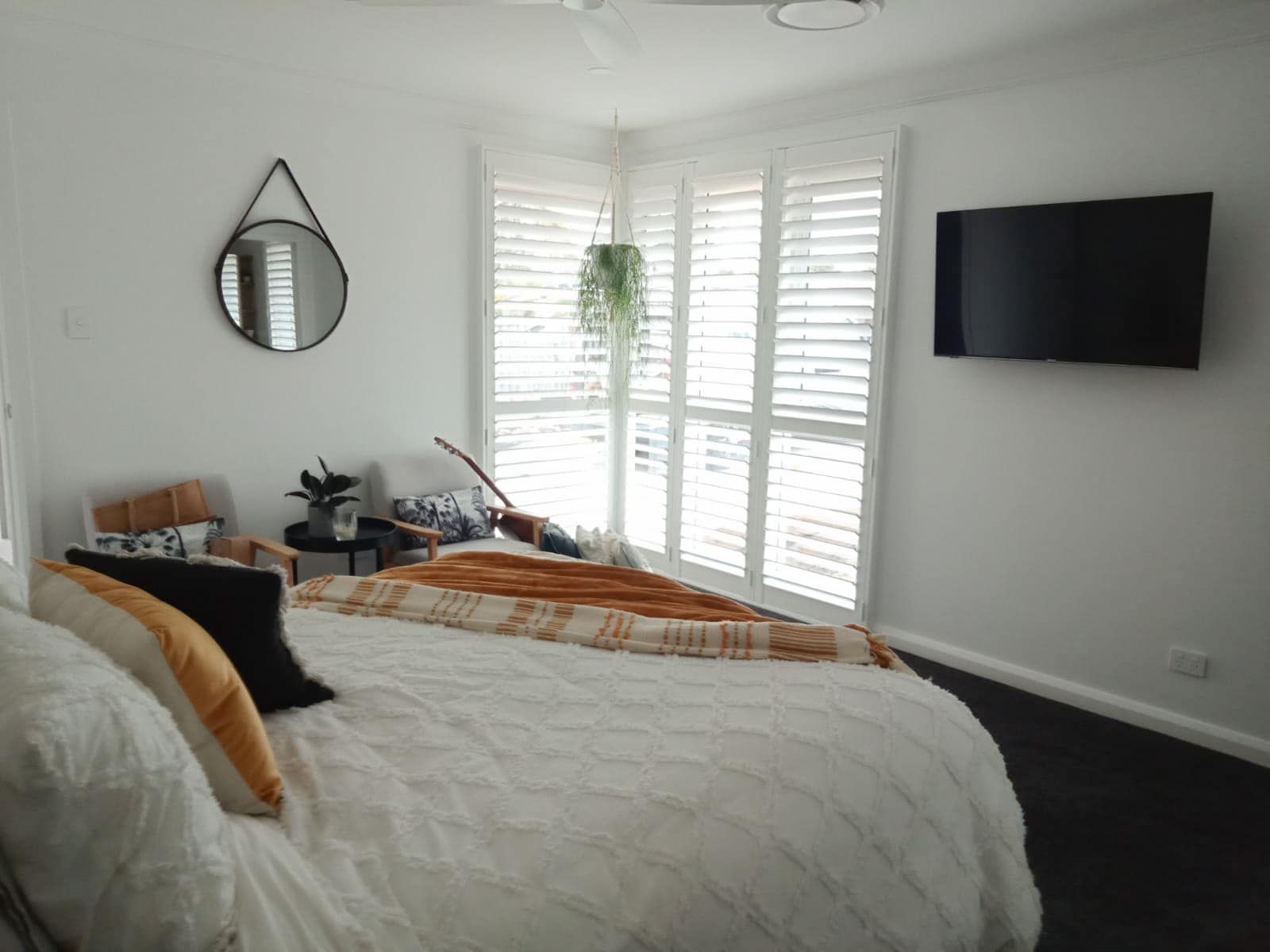
Indoor plantation shutters have earned a strong following among homeowners who want a clean, considered interior finish with practical light and airflow control. They suit a specific set of conditions particularly well.
Plantation shutters are well suited to:
- Living areas, bedrooms, and home offices where light control and privacy are the primary concerns
- Windows that face a protected direction or are shielded by eaves, verandahs, or neighbouring structures
- Homeowners who want a consistent interior aesthetic across multiple rooms without introducing heavy drapery or blinds
- Spaces where the window itself is a design feature and the shutter is expected to complement rather than conceal it
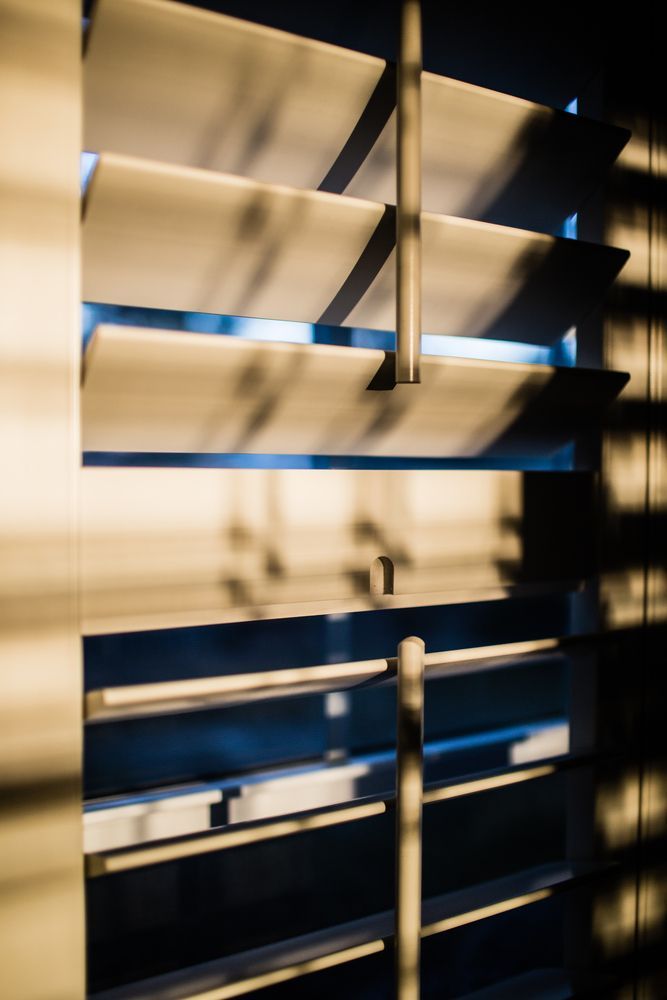
For interior light control and privacy control, plantation shutters remain a Central Coast favourite, particularly in newer homes where the interior fit-out is a priority alongside performance. The louvre adjustment system gives occupants precise control over the quality and direction of light entering the room throughout the day.
Where Outdoor Aluminium Shutters Have the Advantage
Outdoor shutters vs indoor shutters is a comparison that comes down to exposure as much as anything else. For windows or facades that face the elements directly, the case for an exterior solution is often straightforward.
Outdoor aluminium shutters tend to be the stronger choice when:
- The window faces north or west and receives significant direct sun load, contributing to heat build-up inside the home
- The property is within close range of the ocean or in an area with high salt air concentration, where exterior materials need to be selected accordingly
- Security is a consideration, particularly for ground floor windows, holiday homes, or properties left unoccupied for extended periods
- The existing window doesn't lend itself to an internal plantation shutter installation due to frame depth, opening mechanism, or architectural constraints
When the indoor vs outdoor shutters question lands on weather protection, our external aluminium
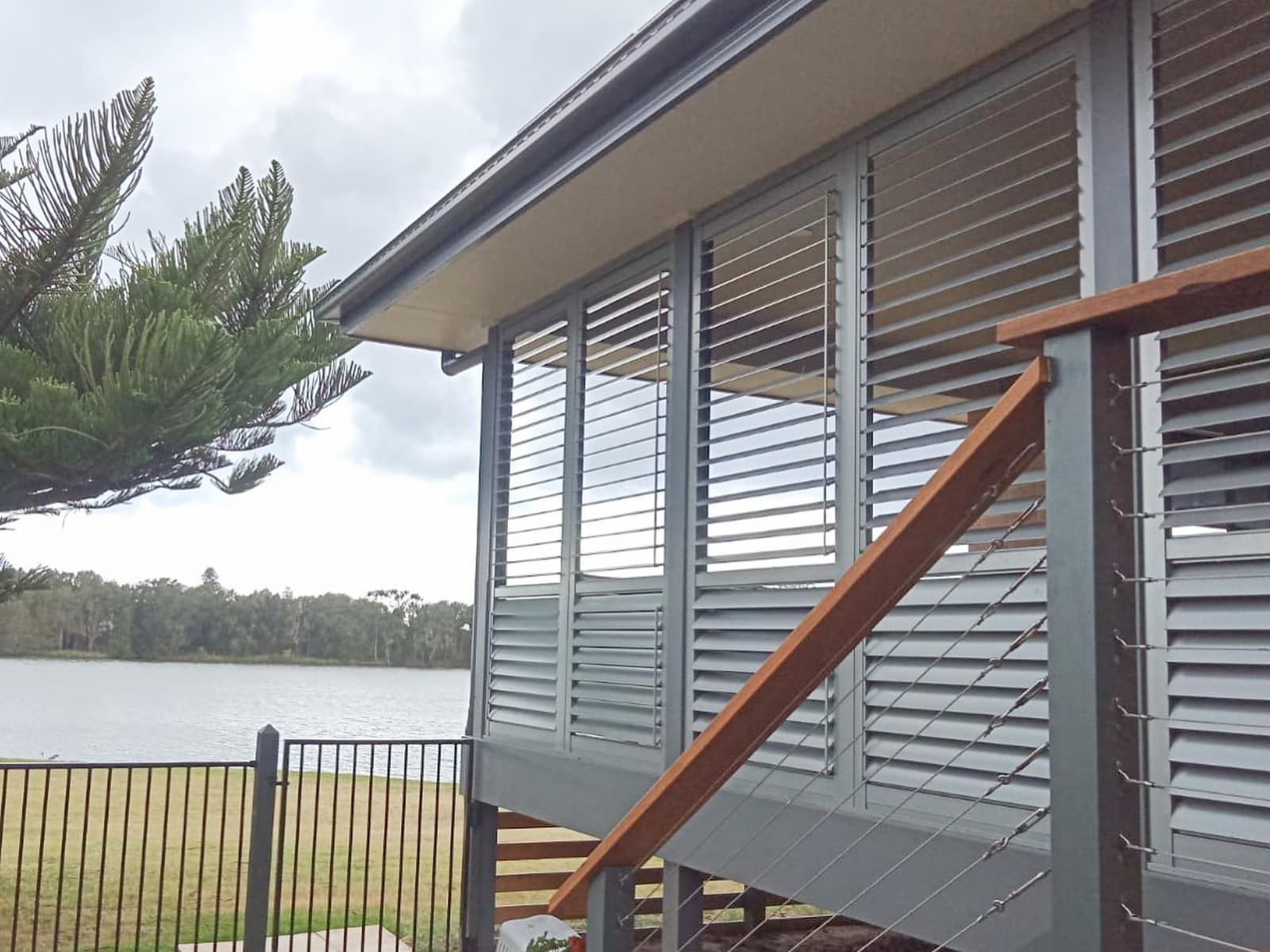
shutters on the Central Coast are built for the coast. They're manufactured to handle salt air, UV exposure, and heat without the degradation that affects less robust materials over time.
Heat Control: How Each Option Manages Solar Gain
Heat management is one of the most practical considerations for Central Coast homeowners, particularly through summer. The difference between a room that stays comfortable and one that becomes unusable by early afternoon often comes down to what's on the windows.
The two products approach heat control differently:
- Outdoor shutters intercept solar radiation before it passes through the glass, which is the most effective point of intervention for reducing heat entering the room
- Indoor plantation shutters filter and diffuse light after it has already passed through the glass, which reduces glare effectively but has less impact on overall thermal load Internal vs external shutters
- in a solar heat context means the exterior option will generally produce a cooler room in a west-facing or north-facing application
- Combining both, an outdoor shutter for heat reduction and an indoor plantation shutter for light quality and privacy, is a solution some homeowners use on high-exposure elevations
Outdoor shutters also help here. For a broader look at window coverings that keep out the heat, it's worth considering how your home's orientation interacts with the product choice before making a final decision.
Coastal Durability: What Salt Air and Sun Exposure Do to Shutters
Material durability in a coastal environment is not a minor consideration. Salt air is corrosive, UV exposure is intense, and the combination of humidity and heat accelerates degradation in materials that aren't specified for the conditions.
Durability performance by material looks like this:
- Aluminium outdoor shutters are purpose-built for coastal exposure, with powder-coated finishes that resist salt corrosion and UV fading over the long term
- Timber plantation shutters, while beautiful, require more maintenance in high-humidity or salt-affected environments and are generally better suited to more protected interior applications
- PVC plantation shutters offer reasonable moisture resistance and suit bathrooms or high-humidity interior spaces well, though they lack the finish quality of timber in living areas
- The question of are external shutters worth it in a coastal setting often resolves quickly once material lifespan and maintenance frequency are factored into the cost comparison
A product that lasts reliably for twenty years with minimal upkeep will almost always represent better value than a cheaper alternative that requires repair or replacement within a decade.
Privacy, Light, and Interior Styling With Plantation Shutters
For rooms where the interior experience is the priority, plantation shutters deliver a level of control and finish that outdoor solutions simply aren't designed to provide. The two products are solving different problems, and interior styling is firmly in plantation shutter territory.
The interior advantages of plantation shutters include:
- Louvre adjustment allows occupants to direct natural light upward toward the ceiling, creating a bright room without direct glare on screens or work surfaces
- Solid panel options provide complete privacy when required without the need for additional blinds or curtains behind them
- The clean sightlines of a plantation shutter installation suit a wide range of interior styles, from contemporary to coastal Hamptons aesthetics common on the Central Coast
- Aluminium shutters vs plantation shutters in an interior context is rarely a fair comparison, as aluminium outdoor shutters are not designed as interior finish products
For homeowners building or renovating, plantation shutters are frequently specified as part of the interior design package rather than added as an afterthought, which speaks to how central they've become to the considered home interior.
Security and Weather Protection for Coastal Properties
Weather protection and security are two areas where outdoor shutters provide a clear functional advantage that indoor solutions cannot replicate. For properties with direct coastal exposure, cyclonic wind events, or security considerations, this distinction matters.
Outdoor shutters contribute to property protection by:
- Providing a physical barrier against wind-driven rain, hail, and debris during severe weather events
- Reducing the vulnerability of glass to impact during storms, which is a meaningful consideration in exposed coastal positions
- Acting as a visible and physical deterrent against opportunistic entry, particularly when the property is unoccupied
- Allowing the home to be secured quickly before a weather event without relying on temporary measures like boarding or taping windows
For holiday homes or investment properties that spend periods unoccupied, the combination of weather and security protection that external shutters provide is a practical argument that goes beyond aesthetics or comfort.
Choosing by Room: A Practical Application Guide
Rather than applying a single product across every window, the most effective approach for many Central Coast homes is to match the product to the specific demands of each elevation or room type.
A practical room-by-room framework might look like this:
- North and west-facing windows: outdoor aluminium shutters for heat and weather management, with internal plantation shutters where light quality and interior finish are also priorities
- South-facing living areas and bedrooms: plantation shutters typically provide sufficient performance in protected orientations with less direct solar load
- Bathrooms and laundries: moisture-resistant PVC plantation shutters or louvred solutions suited to high-humidity interior spaces
- Ground floor windows in exposed or less-secured positions: outdoor shutters provide the additional security and weather layer that interior products cannot
The most important input to this decision is an honest assessment of each window's exposure, function, and the occupant's priorities for that particular space.
Talk to Ronayton About the Right Fit for Your Home
We at Ronayton work with Central Coast homeowners who want a clear, practical answer to the indoor vs outdoor shutters question rather than a sales pitch for one product over another. The right solution depends on your home's orientation, your priorities for each space, and the level of coastal exposure your property faces.
Whether you're drawn to the interior finish and light control of plantation shutters on the Central Coast, the weather and security performance of external aluminium shutters, or a combination of both across different elevations, our team can walk you through the options that suit your specific situation. Get in touch to arrange a consultation and find the shutter solution your home is built for.